Naturalistic illustration
The Details That Make a Species Recognizable
Natural history illustration brings together the features that identify a species, the variation found in nature, and the context that gives those features meaning.
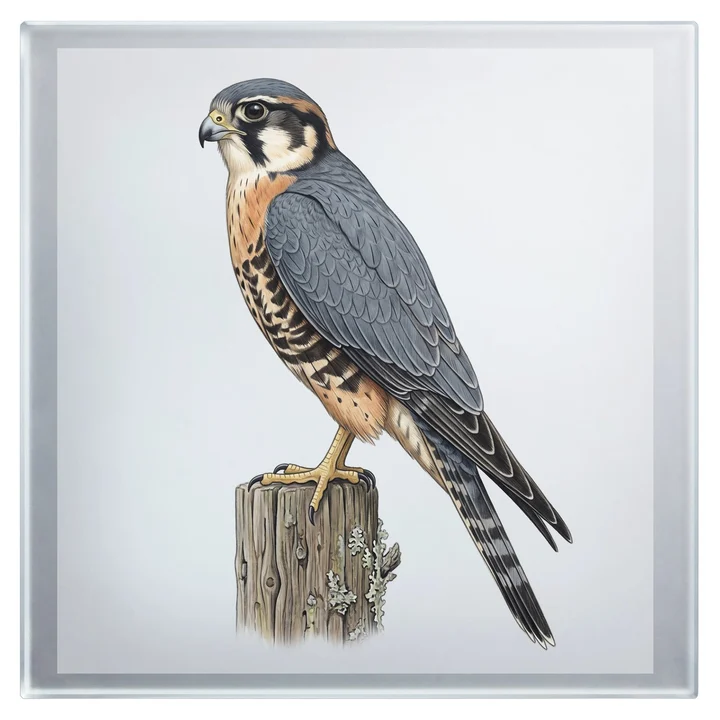
Start with diagnostic features
For a bird, the outline of the bill, the pattern of the plumage, and the shape of the body may carry more information than an elaborate background. With a plant, a flower or fruit can matter as much as the overall silhouette. I start by identifying which features the reader needs to see and choosing an angle that makes them visible.
Compare references before drawing
A single photograph can hide a feature or shift a color through lighting. Comparing views helps separate the subject’s shape and markings from effects of perspective or shadow. Where age, sex, season, or individual variation matters, define which form the illustration represents before combining references.
Let the setting serve the subject
A field guide plate may need an uncluttered view and a separate detail of a diagnostic feature. An ecology illustration may need the animal’s posture, host plant, or habitat because the interaction is the subject. Decide what the image is meant to teach, then give the surrounding details enough space to support that purpose.