Scientific illustration
What a Scientific Illustration Can Show That a Photograph Can’t
A scientific illustration can isolate a feature, reveal a hidden relationship, or connect observations made at different scales.
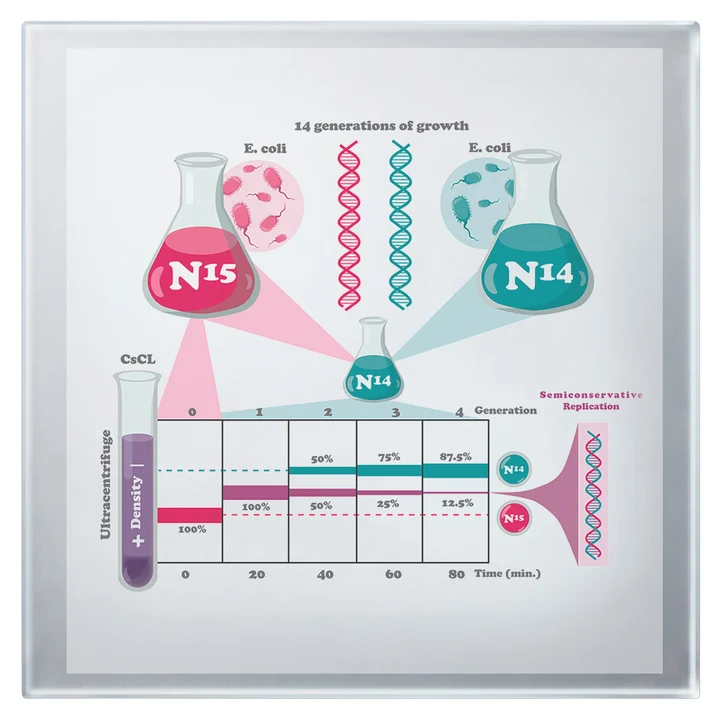
Choose the relationship that matters
Suppose a reader needs to understand how the strands of DNA are copied. A drawing can keep the parental strands visually distinct from the newly synthesized strands throughout the sequence. The reader can follow what is retained and what is added, even as the layout changes between panels.
Decide what to simplify
Simplification works when the information removed is incidental to the question. A cellular diagram may omit unrelated organelles, but it should preserve the location of a process if that location matters. If an inset changes scale or a color is symbolic, a label or legend can prevent a reader from interpreting that choice literally.
Review the sketch at its final size
Share the draft with a subject expert before refining it. Confirm the order of events, what each arrow means, and whether terms match the manuscript or lesson. Then view the figure at the size readers will actually see it. Labels, contrasts, and the relationships they describe should remain clear in the final format.
PLOS Computational Biology, Ten Simple Rules for Better Figures