Veterinary illustration
What Species-Specific Anatomy Changes in a Veterinary Illustration
The species, position, and depth of a view determine whether a veterinary drawing answers a practical question about animal anatomy.
Make the species part of the brief
Specify the animal, the region, and the intended use before deciding how to draw it. A canine oral anatomy plate and an equine limb illustration require different references and views. If a figure compares species, a consistent orientation helps the reader see both shared structures and differences in their position or form.
Separate layers when they conceal each other
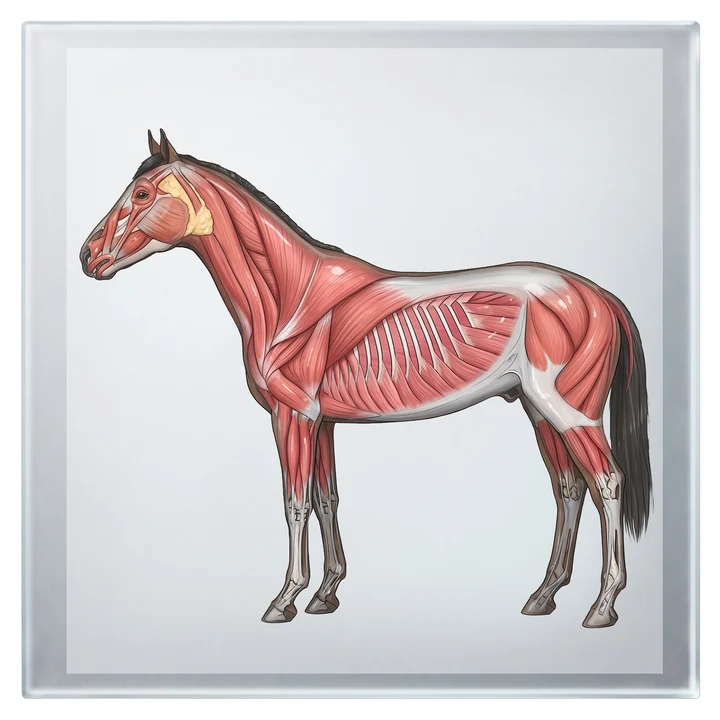
A single side view can show the outline and superficial muscles of a horse. A second view with selected superficial structures removed can reveal the deeper layer. Keeping the two views in the same pose makes it easier to relate an exposed structure to a landmark visible in the first panel.
Set the level of detail with the veterinary team
A teaching plate might retain anatomical landmarks and use directional labels. An illustration for an animal owner might isolate the region being discussed and use fewer technical terms. Agree on the relevant structures and have the sketch reviewed before adding the final rendering and labels.